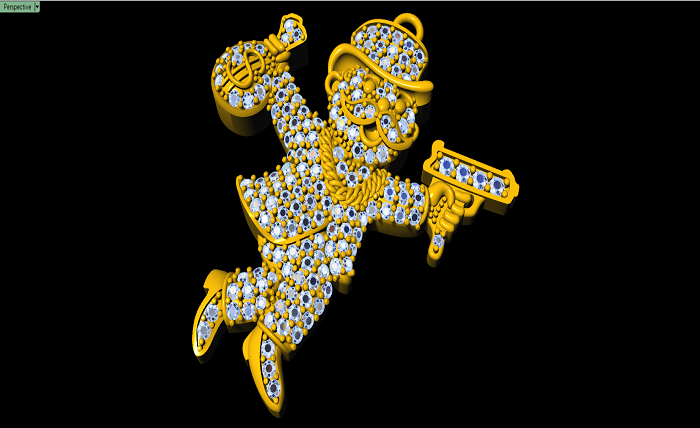
Monopoly jewelry refers to a unique segment of the jewelry industry where a particular brand, designer, supplier, or company dominates a specific market niche. The concept of monopoly jewelry goes beyond traditional luxury accessories because it focuses on exclusivity, rarity, and market control. Consumers often associate monopoly jewelry with premium craftsmanship, limited availability, and exceptional prestige.
The rise of monopoly jewelry has transformed how customers perceive luxury products. Instead of simply purchasing ornaments, buyers invest in pieces that represent status, uniqueness, and superior quality. As a result, monopoly jewelry has become a significant force within the global jewelry market.
Many collectors and investors actively seek monopoly jewelry because of its perceived value and exclusivity. The scarcity of these pieces often creates strong demand, making monopoly jewelry highly desirable among affluent consumers worldwide.
The History and Evolution of Monopoly Jewelry
The origins of monopoly jewelry can be traced back to ancient civilizations where royal families and elites controlled access to precious gems and metals. During these periods, monopoly jewelry symbolized power and wealth, with only a select few having the privilege of owning such treasures.
As trade routes expanded and economies developed, monopoly jewelry evolved into a more organized industry. Influential jewelers established reputations for creating exceptional pieces, gradually dominating specific market segments. This historical progression helped shape the modern concept of monopoly jewelry.
In the twentieth century, luxury brands strengthened their positions through innovative designs, exclusive collections, and strategic marketing. These efforts enabled certain companies to establish a strong presence in the monopoly jewelry sector. Today, digital technology and global commerce continue to influence the evolution of monopoly jewelry, creating new opportunities for growth and expansion.
The history of monopoly jewelry demonstrates how exclusivity and craftsmanship have consistently driven consumer interest. By maintaining strict quality standards and limited production, many brands preserve the appeal of monopoly jewelry across generations.
Key Characteristics of Monopoly Jewelry
Several features distinguish monopoly jewelry from ordinary jewelry products. One of the most important characteristics is exclusivity. Most monopoly jewelry pieces are produced in limited quantities, increasing their desirability among collectors and enthusiasts.
Another defining aspect of monopoly jewelry is superior craftsmanship. Skilled artisans often spend countless hours designing and creating each piece, ensuring exceptional quality and attention to detail. This commitment to excellence contributes significantly to the reputation of monopoly jewelry.
Premium materials also play a crucial role in monopoly jewelry. High-quality diamonds, rare gemstones, platinum, and gold are commonly used to create luxurious pieces. These materials enhance both the aesthetic appeal and long-term value of monopoly jewelry.
Brand recognition is another essential characteristic of monopoly jewelry. Consumers often trust established names because they associate them with prestige and reliability. As a result, leading brands maintain strong positions within the monopoly jewelry market.
The combination of exclusivity, craftsmanship, premium materials, and brand reputation makes monopoly jewelry a highly sought-after category in the luxury industry.
Why Monopoly Jewelry Is Popular Among Luxury Buyers
The growing popularity of monopoly jewelry can be attributed to several factors. One of the primary reasons is the desire for exclusivity. Luxury buyers appreciate owning items that are difficult to obtain, and monopoly jewelry fulfills this need exceptionally well.
Status and prestige also contribute to the appeal of monopoly jewelry. Wearing a rare and valuable piece allows individuals to showcase their success and refined taste. Consequently, many affluent consumers view monopoly jewelry as a symbol of achievement.
Another reason for the popularity of monopoly jewelry is its emotional significance. Many pieces are purchased to celebrate milestones, commemorate special occasions, or create lasting family heirlooms. The emotional connection associated with monopoly jewelry often enhances its perceived value.
Social media and celebrity endorsements have further increased interest in monopoly jewelry. Influencers and public figures frequently showcase exclusive jewelry collections, inspiring consumers to explore the world of monopoly jewelry.
Additionally, buyers appreciate the exceptional quality and durability of monopoly jewelry. Since these pieces are crafted using premium materials and expert techniques, they often retain their beauty and value for many years.
The Investment Potential of Monopoly Jewelry
Many investors consider monopoly jewelry an attractive asset due to its ability to maintain and potentially increase in value over time. Unlike mass-produced accessories, monopoly jewelry often benefits from limited supply and strong demand, creating favorable conditions for appreciation.
One factor supporting the investment potential of monopoly jewelry is rarity. Limited-edition collections and discontinued designs frequently become more valuable as they become harder to acquire. This scarcity can significantly enhance the market value of monopoly jewelry.
The quality of materials used in monopoly jewelry also contributes to its investment appeal. Precious metals and gemstones possess intrinsic value, providing an additional layer of security for investors.
Brand reputation plays a major role in determining the value of monopoly jewelry. Established luxury brands often enjoy strong market demand, helping their products maintain high resale prices. As a result, investors frequently focus on well-known names within the monopoly jewelry industry.
Market trends, economic conditions, and consumer preferences can influence the performance of monopoly jewelry investments. However, many collectors view monopoly jewelry as a long-term asset capable of preserving wealth and generating returns.
Before investing in monopoly jewelry, buyers should conduct thorough research, verify authenticity, and seek professional guidance when necessary. These precautions can help maximize the potential benefits associated with monopoly jewelry ownership.
How Monopoly Jewelry Influences the Global Jewelry Market
The impact of monopoly jewelry extends far beyond individual consumers. Dominant brands and exclusive collections significantly influence trends, pricing strategies, and consumer expectations throughout the jewelry industry.
One way monopoly jewelry affects the market is through innovation. Leading companies often introduce groundbreaking designs and advanced manufacturing techniques that inspire competitors. These innovations contribute to the continued evolution of monopoly jewelry and the broader luxury sector.
Pricing power is another important aspect of monopoly jewelry. Due to strong brand recognition and limited availability, dominant players can command premium prices. This pricing influence often shapes market standards and consumer perceptions of value.
Marketing campaigns associated with monopoly jewelry also impact purchasing behavior. Luxury brands invest heavily in storytelling, advertising, and brand development to strengthen their market positions. These efforts help maintain demand for monopoly jewelry while influencing broader industry trends.
The global reach of monopoly jewelry has expanded significantly in recent years. Online platforms, international retail networks, and digital marketing strategies allow brands to connect with customers worldwide. As a result, monopoly jewelry continues to play an increasingly important role in the international luxury market.
Competition authorities occasionally monitor sectors where monopoly jewelry brands hold substantial influence. These regulations help ensure fair market practices while encouraging innovation and consumer choice.
Tips for Buying Authentic Monopoly Jewelry
Purchasing authentic monopoly jewelry requires careful consideration and attention to detail. Since exclusive pieces often command high prices, buyers should take steps to verify authenticity before making a purchase.
The first step when buying monopoly jewelry is selecting reputable sellers. Authorized retailers and established dealers are more likely to provide genuine products and reliable documentation.
Certification is another essential factor in the monopoly jewelry purchasing process. Authentic pieces typically include certificates verifying the quality and origin of gemstones and precious metals. Reviewing these documents can help confirm the legitimacy of monopoly jewelry items.
Buyers should also examine craftsmanship carefully. Genuine monopoly jewelry usually features exceptional finishing, precise settings, and high-quality materials. Any signs of poor workmanship may indicate counterfeit products.
Researching brand history and market reputation can further support informed purchasing decisions. Understanding the characteristics of authentic monopoly jewelry helps buyers identify potential warning signs and avoid costly mistakes.
Insurance is often recommended for valuable monopoly jewelry purchases. Proper coverage protects owners against theft, loss, or damage, ensuring peace of mind and financial security.
Finally, maintaining detailed records of monopoly jewelry purchases can be beneficial for future resale, valuation, and insurance purposes.
Future Trends in Monopoly Jewelry
The future of monopoly jewelry appears promising as technological advancements and changing consumer preferences continue to shape the industry. One emerging trend involves the integration of digital technologies into the monopoly jewelry experience.
Blockchain technology is increasingly being used to verify authenticity and track ownership of monopoly jewelry pieces. This innovation enhances transparency and helps protect consumers from counterfeit products.
Sustainability is another major trend influencing monopoly jewelry. Modern buyers are becoming more conscious of environmental and ethical issues, encouraging brands to adopt responsible sourcing practices. Sustainable monopoly jewelry collections are expected to gain popularity in the coming years.
Customization is also transforming the monopoly jewelry market. Consumers increasingly seek personalized designs that reflect their individual preferences and lifestyles. As a result, many brands are expanding their customization options within the monopoly jewelry category.
Artificial intelligence and advanced design software are improving the efficiency of monopoly jewelry production. These technologies enable designers to create innovative pieces while maintaining high standards of quality and craftsmanship.
The expansion of online luxury retail platforms is expected to further increase access to monopoly jewelry. Digital channels allow brands to reach new audiences while providing convenient shopping experiences for customers worldwide.
As these trends continue to develop, monopoly jewelry will likely remain a powerful force within the global luxury market, attracting collectors, investors, and fashion enthusiasts alike.
Conclusion
Monopoly jewelry represents a fascinating combination of luxury, exclusivity, craftsmanship, and market influence. From its historical roots to its modern-day significance, monopoly jewelry continues to captivate consumers seeking rare and prestigious pieces. The appeal of monopoly jewelry extends beyond aesthetics, offering potential investment opportunities and long-term value preservation. As technology, sustainability, and personalization reshape the industry, monopoly jewelry is poised to remain a dominant and influential segment of the global jewelry market. Whether purchased for personal enjoyment, status, or investment purposes, monopoly jewelry continues to define excellence in the world of luxury accessories.
FAQs
1. What is monopoly jewelry?
Monopoly jewelry refers to exclusive jewelry products or brands that dominate a specific market segment through rarity, prestige, craftsmanship, and strong brand influence.
2. Why is monopoly jewelry expensive?
Monopoly jewelry is expensive because it often uses premium materials, features exceptional craftsmanship, and is produced in limited quantities that increase demand.
3. Is monopoly jewelry a good investment?
Many collectors view monopoly jewelry as a valuable investment because rare pieces can appreciate over time, especially when supported by strong brand recognition and market demand.
4. How can I verify authentic monopoly jewelry?
To verify monopoly jewelry, purchase from reputable sellers, review certification documents, inspect craftsmanship, and confirm brand authenticity.
5. What trends are shaping the future of monopoly jewelry?
Future trends in monopoly jewelry include sustainability, blockchain authentication, customization, artificial intelligence in design, and expanded online luxury retail experiences.